Top Insulation Tips for Your Home's Energy Efficiency
When it comes to maintaining a comfortable home, insulation plays a crucial role. Proper insulation not only keeps your home warm in winter and cool in summer, but it also significantly impacts your energy bills. In fact, according to the U.S. Department of Energy, proper insulation can save homeowners up to 20% on heating and cooling costs. This blog post will explore essential insulation tips that can enhance your home's energy efficiency, helping you save money and reduce your environmental footprint.

Understanding Insulation
Before diving into specific tips, it's important to understand what insulation is and how it works. Insulation is a material that slows down the transfer of heat. It helps keep the warm air inside during winter and prevents heat from entering during summer. The effectiveness of insulation is measured by its R-value, which indicates its resistance to heat flow. The higher the R-value, the better the insulation's effectiveness.
Types of Insulation
There are several types of insulation, each with its own advantages:
Fiberglass Insulation: Commonly used in homes, fiberglass is made from tiny glass fibers and is available in batts, rolls, or loose-fill. It is non-combustible and resistant to moisture.
Foam Board Insulation: This rigid insulation is made from polystyrene or polyisocyanurate and is ideal for areas with limited space. It provides a high R-value per inch of thickness.
Spray Foam Insulation: This type expands upon application, filling gaps and cracks. It provides excellent air sealing and insulation but can be more expensive.
Cellulose Insulation: Made from recycled paper products, cellulose is an eco-friendly option. It is treated with fire retardants and is often used in attics and walls.
Insulation Tips for Energy Efficiency
1. Assess Your Current Insulation
The first step in improving your home's energy efficiency is to assess your current insulation. Check areas like the attic, walls, floors, and crawl spaces. Look for signs of wear, such as sagging or moisture damage. If your insulation is old or insufficient, it may be time for an upgrade.
2. Choose the Right R-Value
When selecting insulation, consider the recommended R-value for your climate zone. For example, colder regions may require higher R-values to maintain energy efficiency. The U.S. Department of Energy provides guidelines for optimal R-values based on location.
3. Seal Air Leaks
Before adding insulation, seal any air leaks in your home. Common areas for air leaks include:
Windows and doors
Electrical outlets
Ductwork
Attic hatches
Use caulk or weatherstripping to seal gaps and cracks. This will enhance the effectiveness of your insulation and prevent drafts.
4. Insulate the Attic
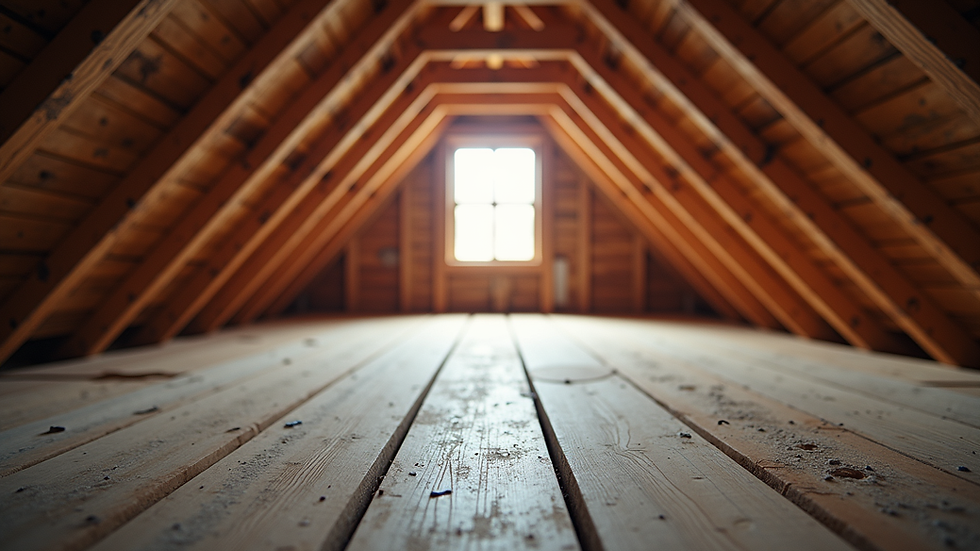
The attic is one of the most critical areas for insulation. A well-insulated attic can significantly reduce heat loss. Consider adding insulation to the floor of the attic or the roof, depending on your home's design. Ensure that the insulation is evenly distributed and does not block ventilation.
5. Insulate Walls and Floors
In addition to the attic, insulating walls and floors can improve energy efficiency. If you have exterior walls that are not insulated, consider adding insulation to reduce heat transfer. For floors above unconditioned spaces, such as garages or crawl spaces, insulating can prevent heat loss.
6. Use Radiant Barrier Insulation
In warmer climates, radiant barrier insulation can be beneficial. This reflective material is installed in attics to reduce heat gain by reflecting radiant heat away from living spaces. It can be particularly effective in reducing cooling costs during hot summer months.
7. Consider Professional Installation
While some insulation projects can be DIY, others may require professional installation. Hiring a contractor can ensure that insulation is installed correctly and meets local building codes. Professionals can also help identify areas that may need additional insulation.
8. Maintain Your Insulation
Regular maintenance is essential for keeping your insulation effective. Check for signs of moisture or pest damage, and replace any compromised insulation. Additionally, ensure that vents and ducts are clear of debris to maintain proper airflow.
9. Upgrade Windows and Doors
While not directly related to insulation, upgrading to energy-efficient windows and doors can complement your insulation efforts. Look for products with a high energy-efficiency rating to further reduce heat loss and gain.
10. Monitor Energy Usage
After making insulation improvements, monitor your energy usage to see the impact. Use energy bills as a benchmark to track savings over time. This will help you understand the effectiveness of your insulation and identify any further improvements needed.
Conclusion
Improving your home's insulation is a smart investment that can lead to significant energy savings and increased comfort. By assessing your current insulation, sealing air leaks, and choosing the right materials, you can enhance your home's energy efficiency. Remember to maintain your insulation and monitor your energy usage to ensure long-term benefits. Take action today to create a more energy-efficient home and enjoy the rewards of lower energy bills and a comfortable living space.

Comments